GRC leaders: how our workshop approach can help you plan for 2026 and beyond
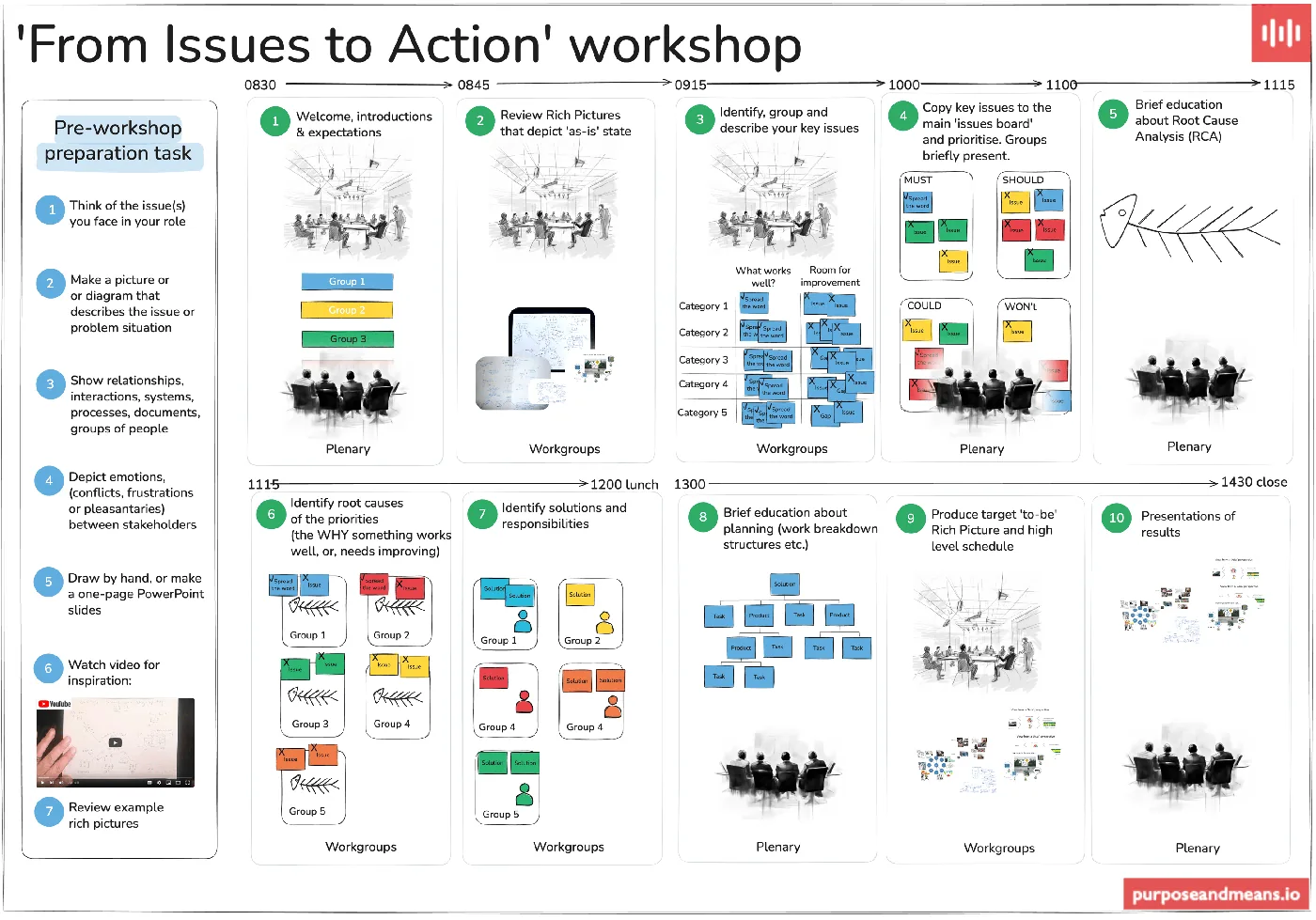
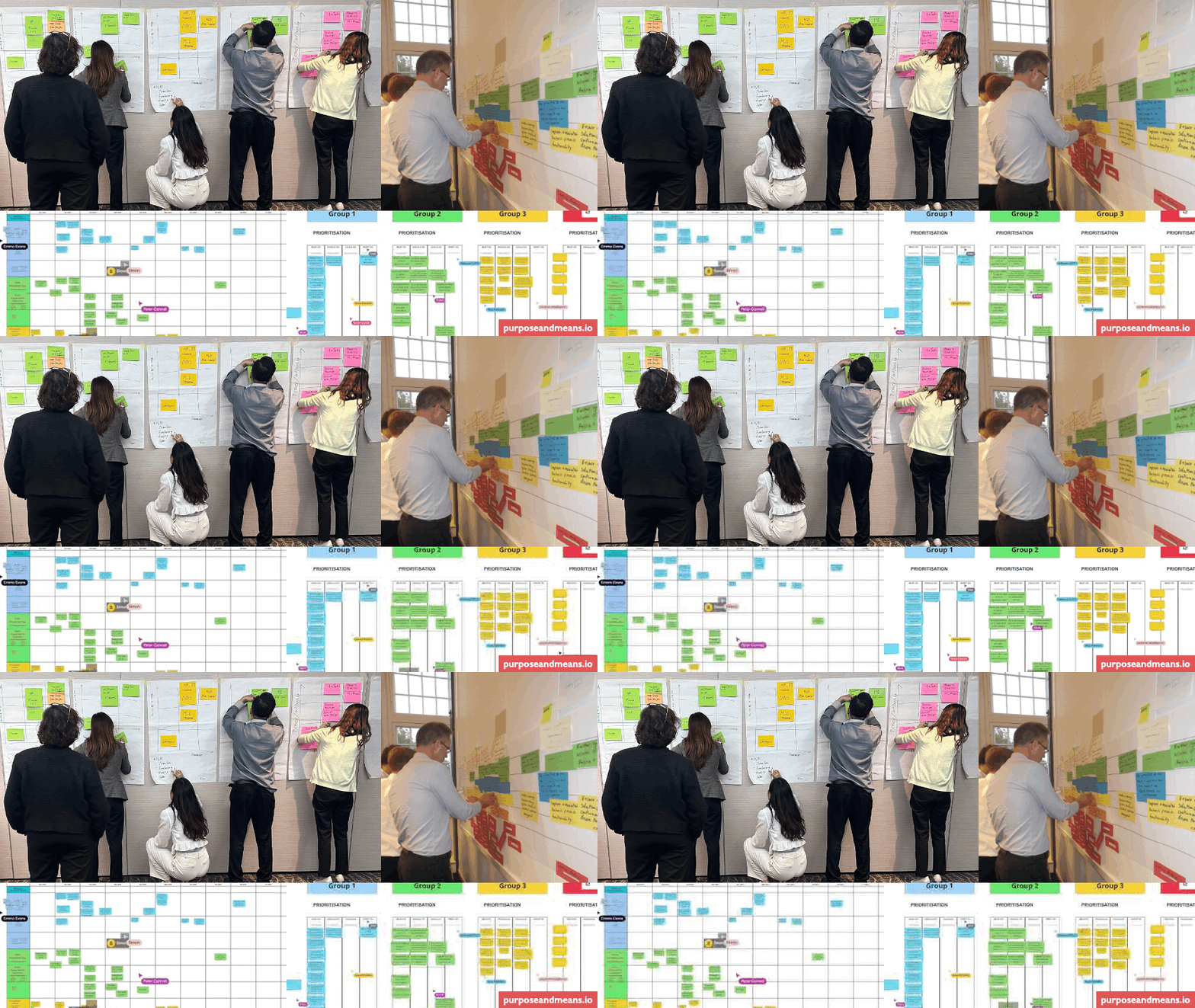
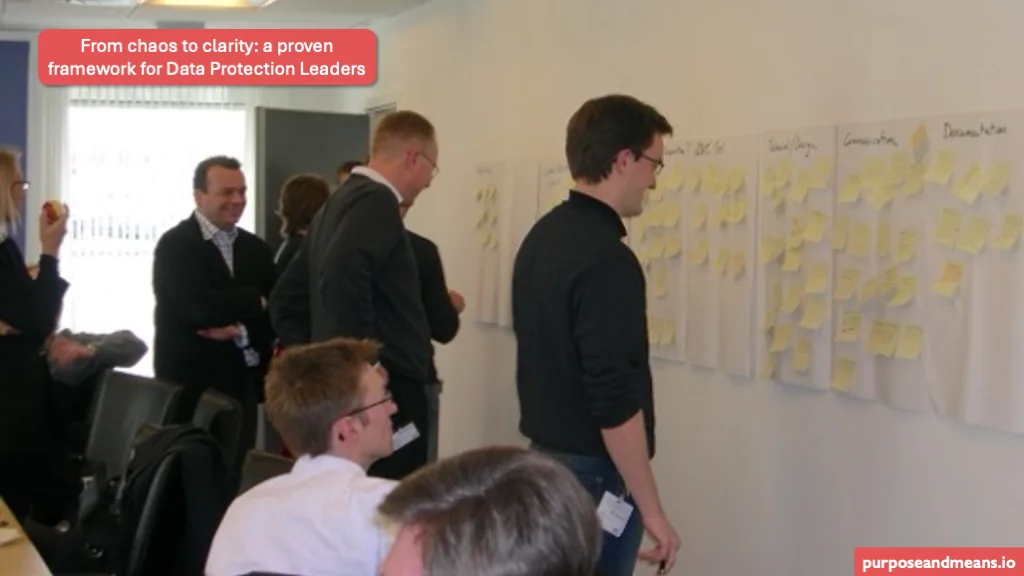
The workshop approach cuts through noise. We’ve used it to map AI Act obligations against actual data flows in 48 hours - something that typically takes weeks in spreadsheet hell.
GDPR was just the warm-up. The AI Act’s transparency logs, DORA’s incident reporting, and NIS2’s supply chain rules demand operational changes most compliance programs aren’t built for.
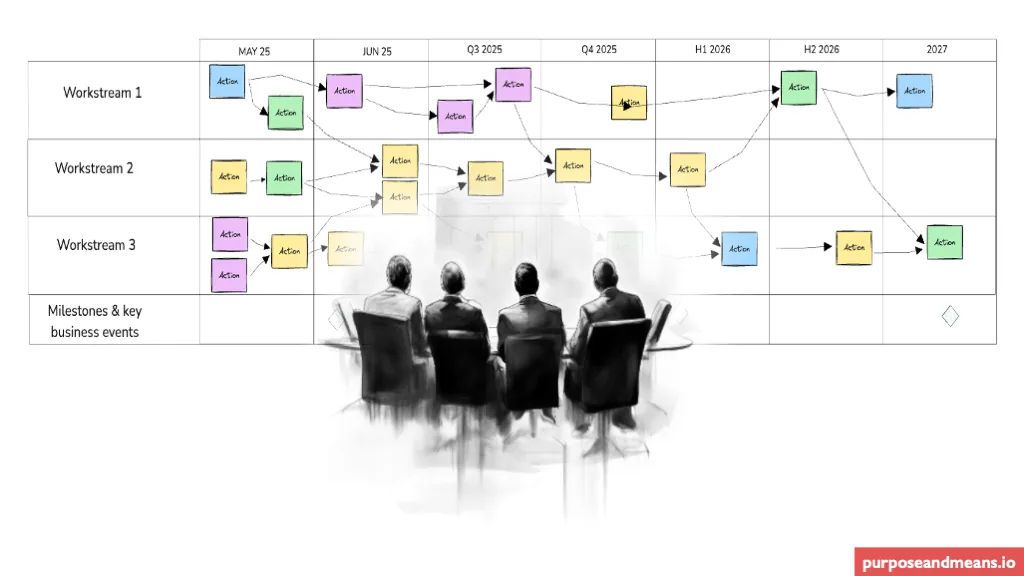
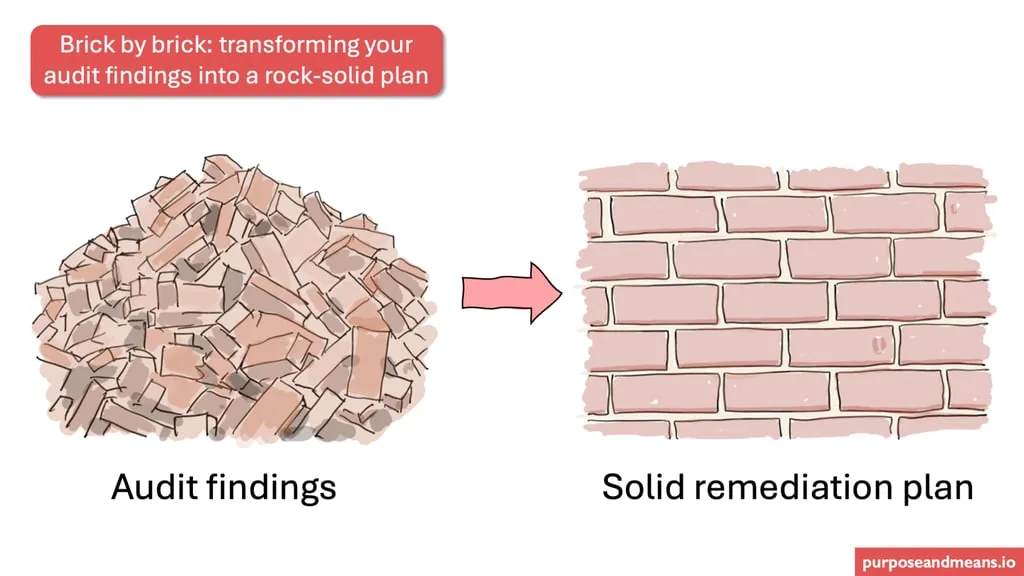
Here’s how we fix that: concrete action plans, not more policy documents. The workshop forces decisions about who does what by when. No more “we’ll figure it out later.”
How can GRC teams identify internal challenges?
Our workshop uses visual techniques and root cause analysis to uncover hidden inefficiencies and misalignments.
Most teams miss the connection between broken processes and regulatory risk. You’ll see this in audits when the same control failure appears across multiple frameworks. Our Rich Pictures method makes these patterns visible immediately.
The workshop surfaces:
- Process gaps that create regulatory exposure
- Teams working around broken systems
- Root causes behind recurring compliance failures
- Actual data flows versus policy claims
How can GRC teams prepare for EU AI Act, DORA, and NIS2 regulations?
Our workshop framework breaks down complex regulations into actionable steps and gap assessments.
We map regulations to operations by:
- Annotating exact Article 16 (AI Act) or Article 5 (DORA) requirements
- Flagging where one control satisfies multiple regimes
- Documenting evidence requirements upfront
- Assigning owners before leaving the room
How can GRC teams assess their practice maturity?
Our framework examines four key pillars: ways of working, tools, people, and information needs.
We assess real maturity by looking for:
- Teams bypassing official channels (always a red flag)
- Spreadsheets masquerading as systems
- Risk assessments ignoring actual data flows
- Contracts without specific AI governance clauses
How can GRC teams integrate diverse stakeholder viewpoints?
Our workshop structure ensures cross-functional collaboration across departments.
Stakeholder sessions get real when you:
- Make legal explain requirements in operational terms
- Require IT to demonstrate controls, not describe them
- Challenge business units on their risk tolerance
- Document every “we can’t because” as a risk acceptance
Purpose and Means handles global compliance where policies meet practice. Our clients avoid spending €200k on frameworks that don’t work. See client cases for how we’ve fixed actual implementations.