Horizon scanning for beginners: Part 4 - linking signals to strategy: prioritising for impact
This fourth part about horizon scanning explains how collaborative foresight teams use a blend of manual and automated analysis techniques to methodically sort, prioritise, and assess the strategic impact of weak signals identified during horizon scanning.
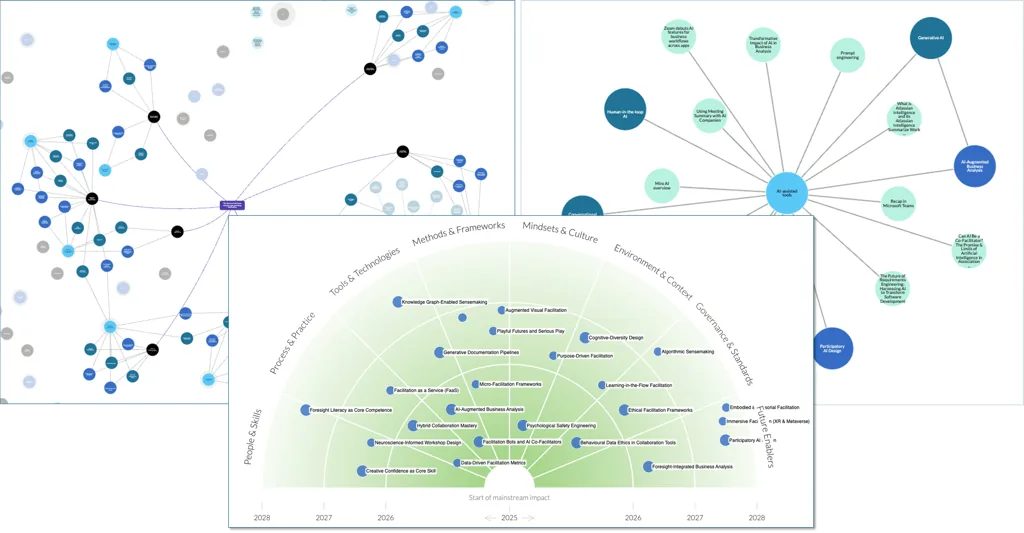
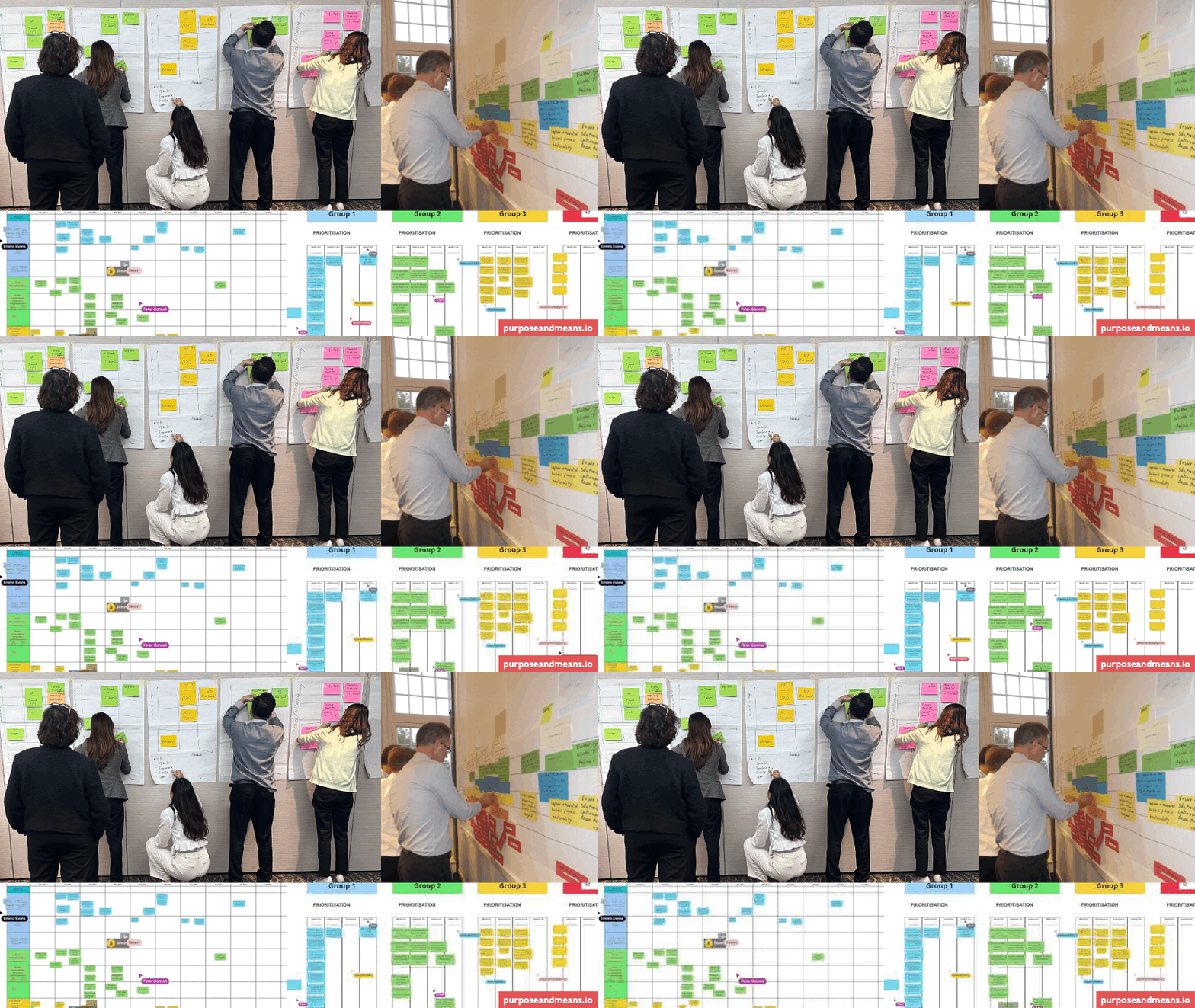
Next in this beginners guide to horizon scanning blog post series looks into the techniques used to analyse the subtle indicators of change, weak signals, bringing clarity to their relevance and context. This isn’t a solitary activity, the work benefits from collective intelligence and structured collaboration. At its heart, this phase involves grouping related signals and discarding irrelevant noise, work best performed by bringing together the team, working methodically together. Whether meeting physically or virtually, facilitation is key to guiding this process, ensuring diverse perspectives are heard and a structured approach maintained as the team refines signal noise into discernible patterns of potential impact.
Manual analysis techniques #
The key to of weak signal identification, especially in the initial sorting phase, leans heavily on shared pattern recognition amongst the team. Manual techniques provide a good starting point, enabling deep understanding and collaborative interpretation. Trend spotting, for instance, allows the group to collectively observe recurring phenomena across disparate data points, drawing parallels that might signal underlying currents missed by an individual analyst. Similarly, thematic analysis offers a structured, yet manual, approach for the team to categorise signals collaboratively. Together, they can build a shared taxonomy, grouping related signals under coherent themes. This collective sense-making not only brings order to the inherent chaos of raw signals but also makes use of the team’s diverse knowledge to identify overarching narratives that could shape future organisational strategies far more effectively than any single viewpoint could achieve. These manual methods are particularly useful when conducted in facilitated workshop settings, encouraging debate, discussion, and consensus-building.
Automation in foresight #
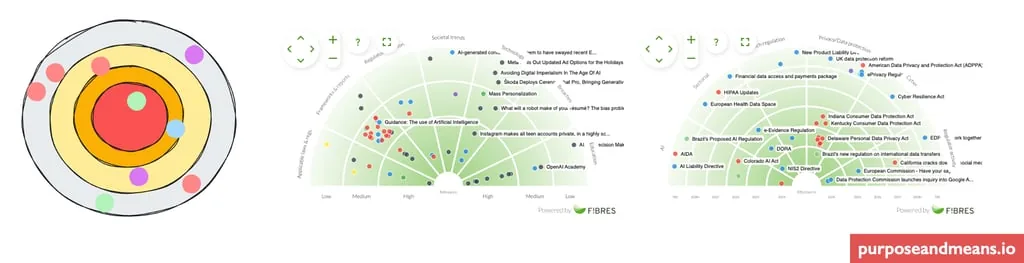
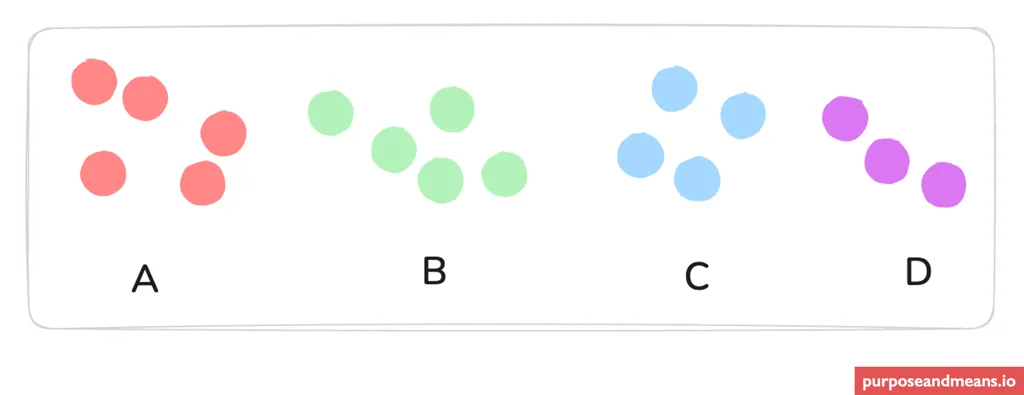
Alongside the manual methods, automated techniques are increasingly becoming part of the foresight toolkit. Clustering algorithms, powered by machine learning, offer a way to organise large volumes of similar signals rapidly. Automation can help mitigate certain inherent human biases and significantly accelerate the initial sorting process, particularly when dealing with vast datasets from multiple sources. These algorithms can differentiate patterns and similarities that might evade even a vigilant human team, enabling a more comprehensive initial scan of the emerging landscape. The objective remains consistent: to ensure no potentially significant signal is dismissed prematurely and to refine the selection process towards identifying a realistic spectrum of possible futures.
Be aware that the adoption of automation should be carefully considered in line with your company’s foresight maturity and technology strategy. While the speed and scale offered by these tools is tempting, the nuanced interpretation, contextual understanding, and critical judgement required, especially when first evaluating signals, often benefit immensely from human-centric, manual methods. For teams new to horizon scanning, or within companies where foresight is still an emerging capability, starting simple is going to be the best approach. Starting out with manual techniques as mentioned above, allows the team to build foundational skills, develop a shared language, and cultivate critical thinking about potential impacts. As the foresight function matures, and the volume and velocity of incoming data increase, introducing automated tools and platforms can then powerfully augment and streamline the process, building upon, rather than prematurely replacing, that essential human foundation.
Connecting signals to strategy: prioritisation and context #
Simply identifying and grouping signals isn’t enough, the important next step is prioritisation based on potential impact on core business objectives. This transition demands shared focus and understanding on what matters for your company’s growth, resilience, and sustainability. Impact assessments, conducted collaboratively by the team (often involving stakeholders from relevant business units), are vital here. By collectively evaluating the potential positive or negative repercussions of prioritised signals or clusters, the business can allocate attention and resources more effectively, ensuring strategic focus aligns with identified opportunities and threats.
Scenario analysis also gains significant power through a team-based approach. Constructing a range of plausible future scenarios, grounded in the prioritised weak signals, allows the organisation, guided by the foresight team, to collectively explore and prepare for different possibilities. This collaborative exploration encourages forward-thinking across silos, promoting strategic agility and shared understanding. It allows for a proactive stance, enabling the business to navigate uncertain areas with greater clarity and decisiveness. Techniques like** issue framing** help the team collectively understand the broader context – the social, technological, economic, environmental, and political factors – influencing the signals. Framing issues within these specific contexts enhances the collective ability to anticipate market shifts, regulatory changes, or evolving customer needs, steering decision-making towards proactive adaptation.
Establishing a foresight culture #
The effectiveness of any technique, manual or automated, builds on the underlying organisational culture. There’s a real need to cultivate an environment that genuinely values foresight not just as a planning input, but as a strategic, collaborative asset. This involves leadership championing the process, embracing a tolerance for ambiguity and uncertainty, and encouraging inquisitive exploration across all levels. It means creating safe spaces where weak signals, emerging ideas, and uncomfortable potential futures can be surfaced, discussed openly, and debated constructively without fear. Building this atmosphere of perpetual, shared discovery is essential for making horizon scanning a dynamic and impactful capability.
What does this all mean? #
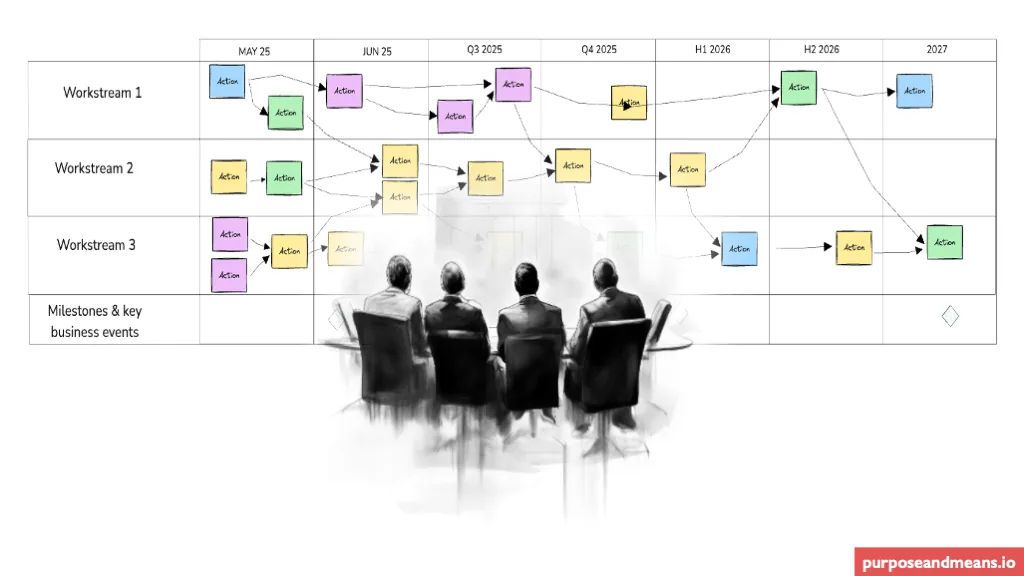
The real impact occurs when these diverse techniques are blended and embedded within the cadence of strategic planning, driven by dedicated, well-facilitated teams. Whether starting with manual methods to build understanding or integrating automation to handle scale, the goal is collaborative sense-making. When foresight matures from a niche activity into a core competency synonymous with opportunity recognition and risk mitigation, companies gain a distinct advantage. They can pivot quicker, capitalise on emerging trends ahead of the curve, and align their long-term strategies with the dynamics of an ever-evolving landscape.
In the next post I will cover the need to plot key signals and trends in a structured format to enable continuous monitoring.
Ready to start scanning the horizon?
We can get you started by facilitating the end to end processes and then maintain and update your radars on an ongoing basis with regular interaction with you and your team
We can also help you get started by facilitating the end to end processes and then handing responsibilities to you, providing support afterwards where needed